


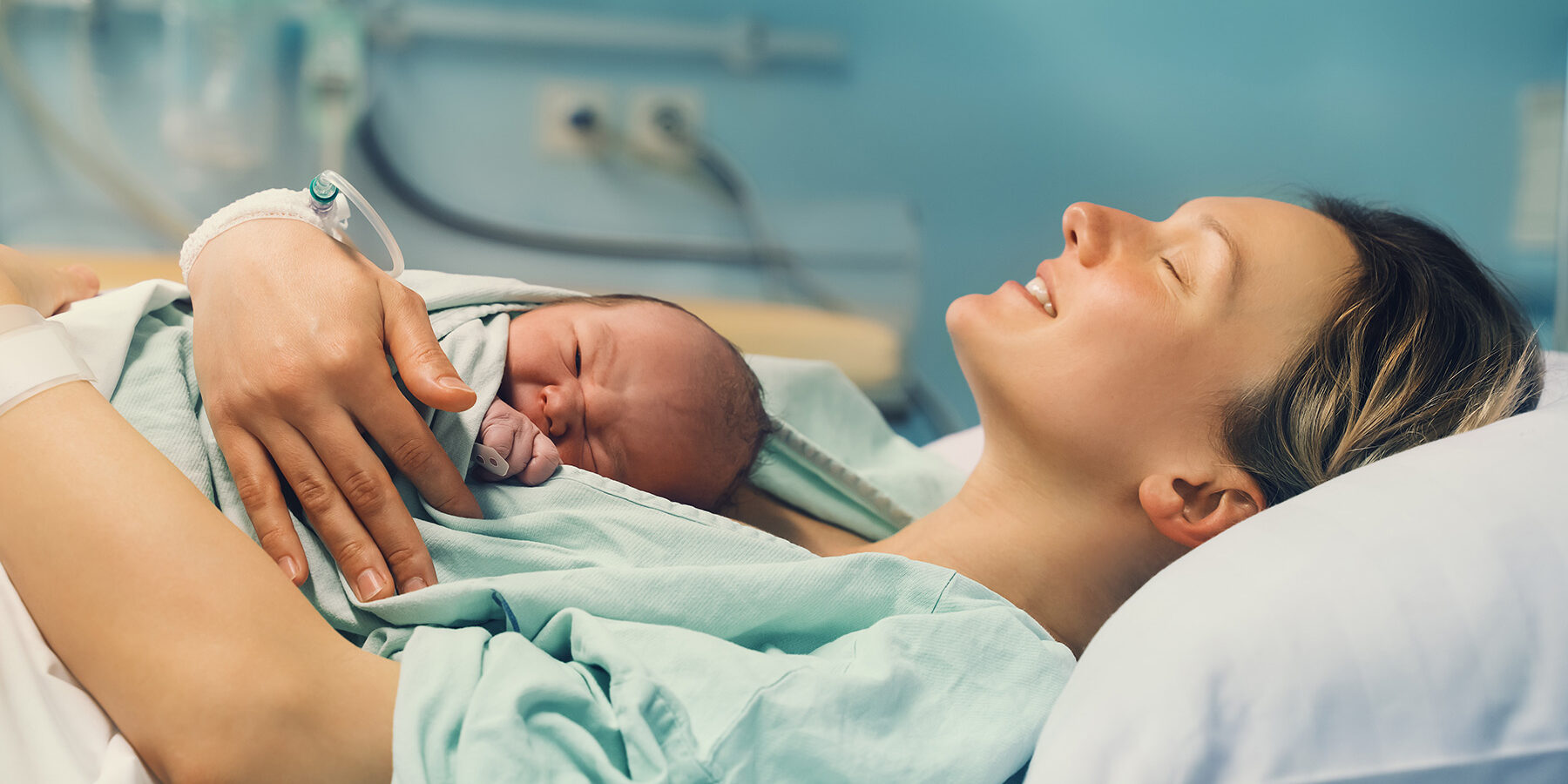
Acupuncture's Transformative Role in Post-Cesarean Pain Management
In the realm of postoperative pain management, particularly after cesarean delivery, striking a balance between effective analgesia and minimizing opioid usage presents a unique challenge. Traditional pharmacological approaches, while beneficial, often fall short of providing comprehensive relief as the constraints imposed by childcare and breastfeeding limit the use of opioid analgesics, leaving a critical need for alternative approaches.
Recognizing this gap, a pioneering clinical trial conducted at a leading university hospital in Greifswald, Germany by Usichenko et al. (PMID: 35226080), sought to explore the potential of acupuncture as an adjunctive therapy for pain control following cesarean delivery.
The Clinical Trial:
A total of 180 female participants, scheduled for elective cesarean delivery, were divided into three groups: acupuncture, placebo, and standard care. The primary outcome focused on pain intensity on movement, measured using a standardized verbal rating scale.
Promising Results:
The findings were truly noteworthy and highly promising. On the first postoperative day, the acupuncture group experienced significantly lower pain intensity compared to both the placebo and standard care groups. Notably, 98% of acupuncture patients were fully mobilized, showcasing a substantial improvement in recovery time. This also extended to the removal of catheters, indicating that acupuncture played a pivotal role in expediting the postoperative recovery process.
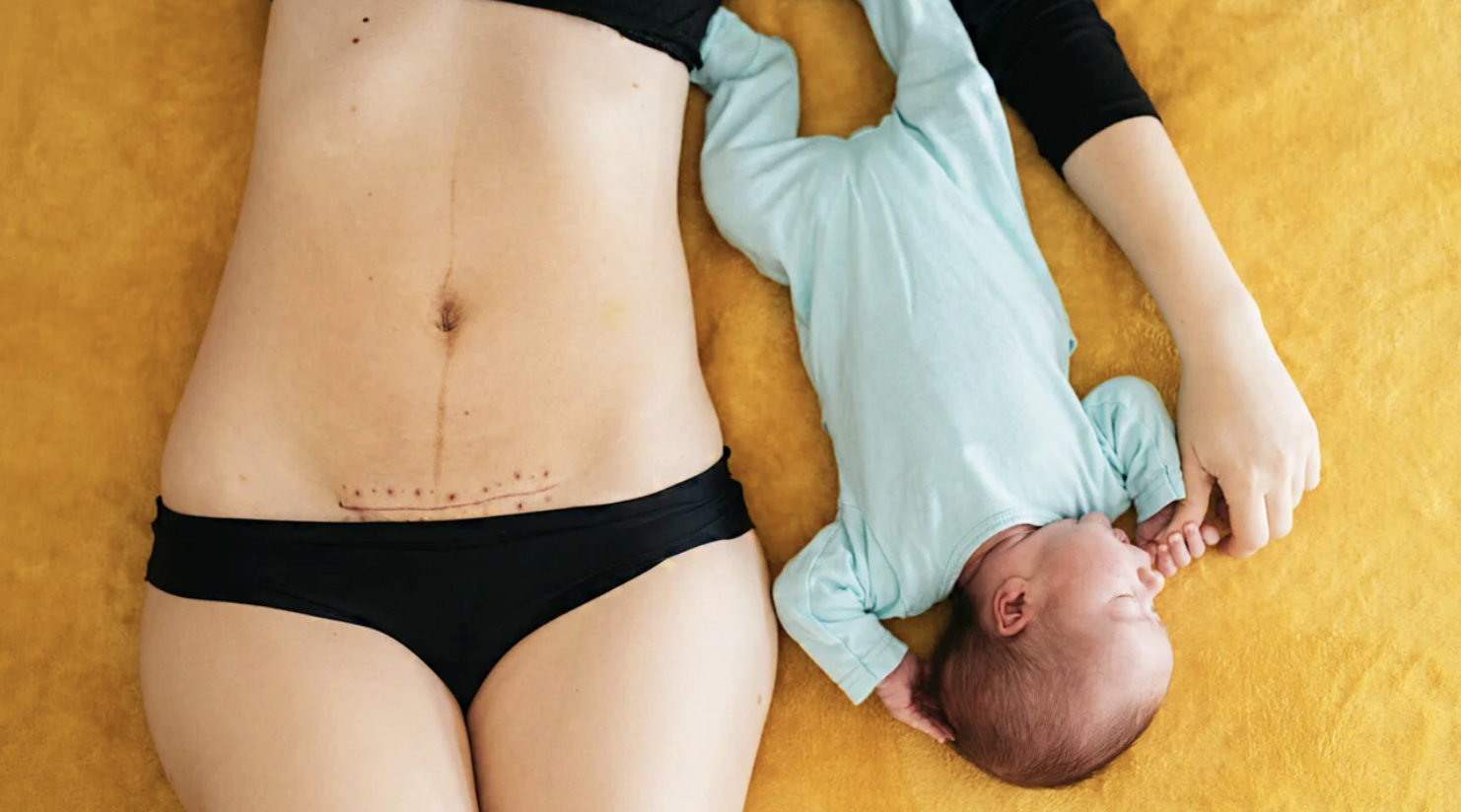
This clinical trial presents compelling evidence for the efficacy and safety of acupuncture as an adjunctive therapy for pain management after cesarean delivery. The results demonstrate a significant reduction in pain intensity and an accelerated recovery process. By integrating acupuncture into postoperative care, healthcare providers can offer a holistic approach that minimizes reliance on opioid analgesics. This trial represents a significant step forward in enhancing post-cesarean recovery and exemplifies the potential of complementary therapies in modern obstetric care.”