

Exploring the Impact of Spirulina on White Blood Cell Profiles in Elite College Athletes
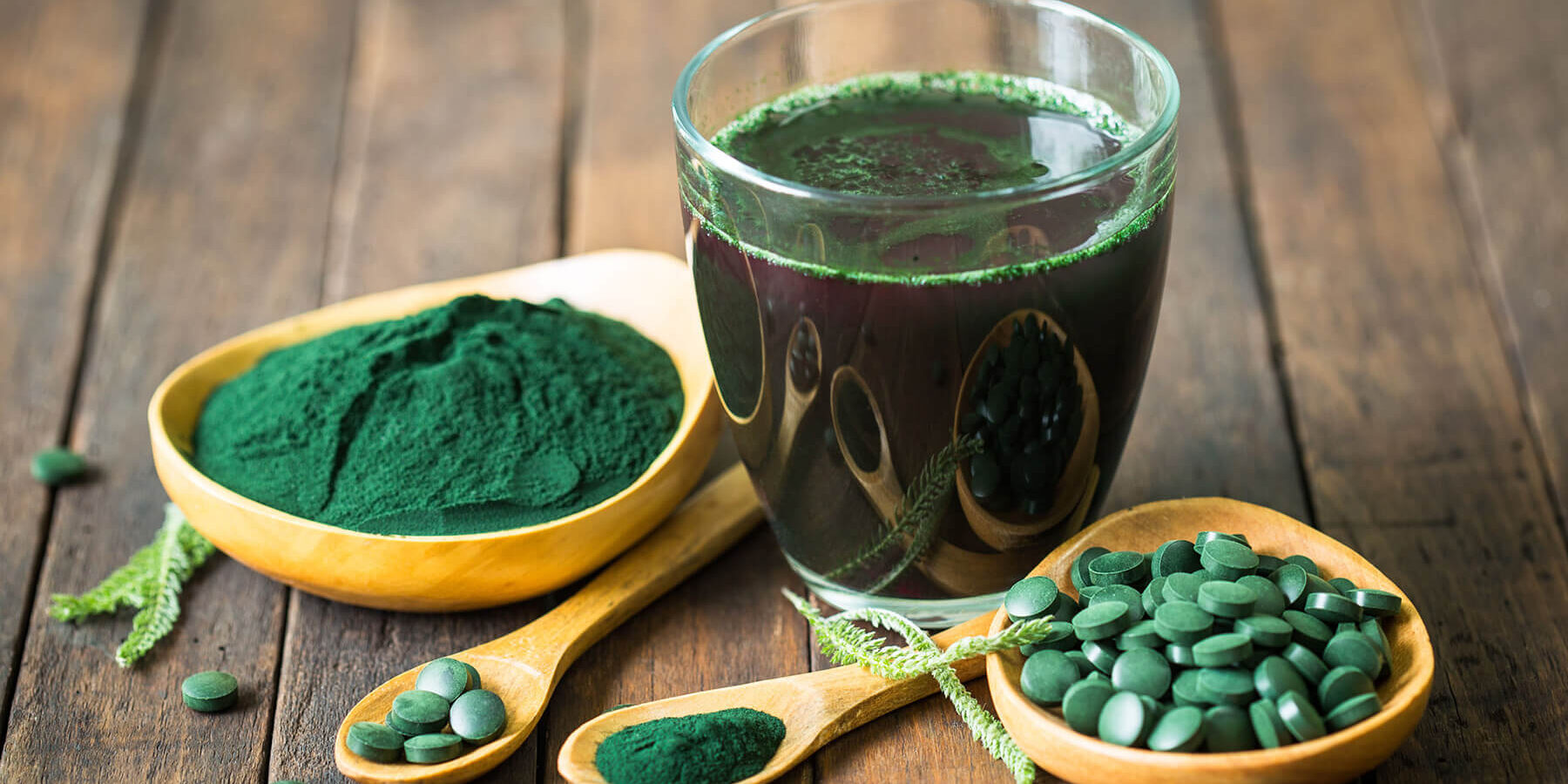
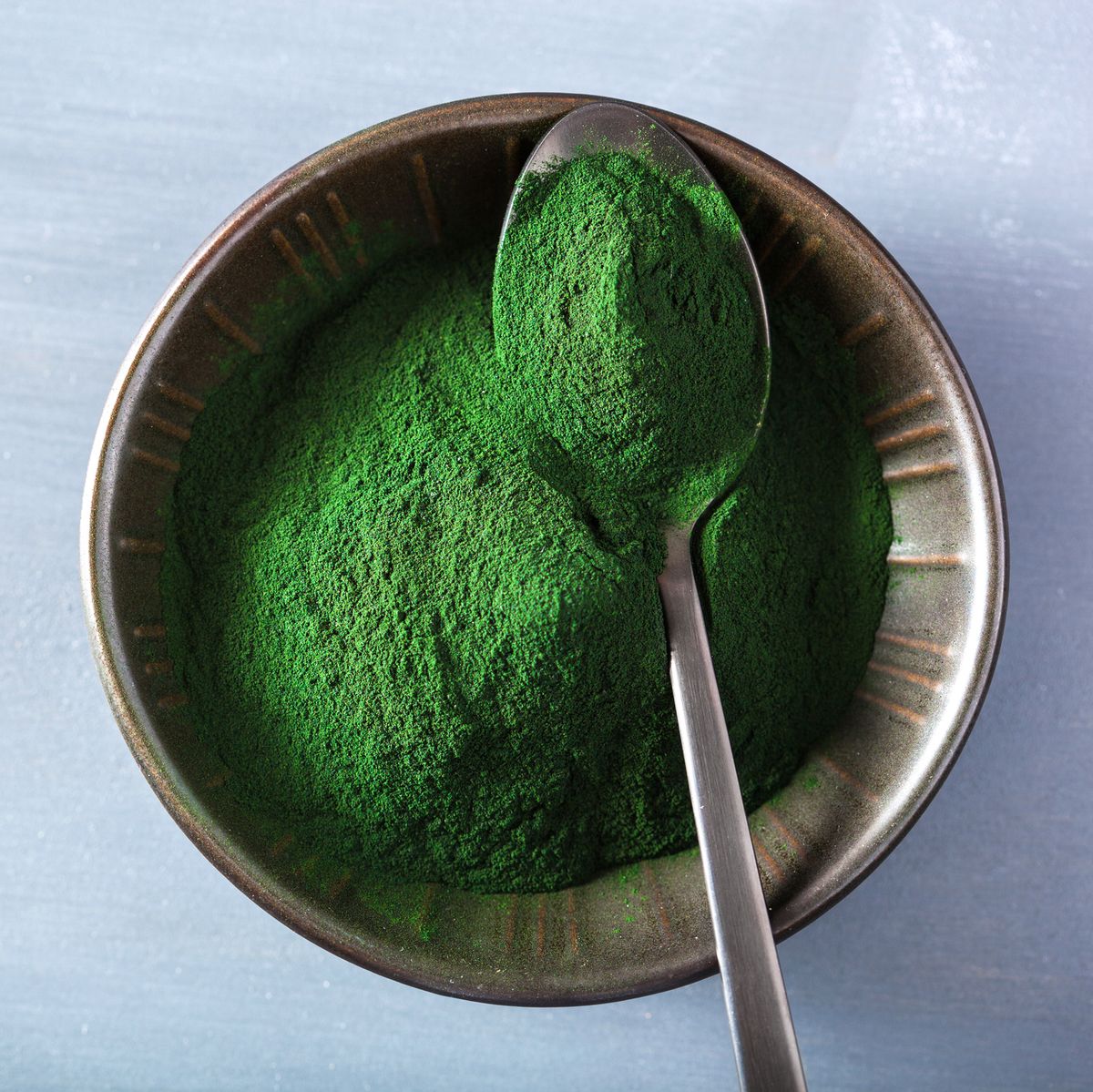
In the world of athletics, maintaining optimal health is paramount. Spirulina, a type of blue-green algae known for its rich nutrient content and potential health benefits, has been a topic of interest within the sports community for some time. For those unfamiliar, spirulina is a natural algae powder that is high in protein and antioxidants. It’s often used as a supplement to boost energy, detoxify the body, and enhance the immune system.
The Study
Researchers (Zhang et al, 2022 PMID: 36297029) set out to assess the effect of spirulina on levels of white blood cell (WBC) subtypes in young athletes. The participants in focus? 39 male college soccer players, all around the age of 20, who were diving into intensive exercise routines encompassing skill development, competition, and strength training.
The Approach
In a structured 8-week experiment, the soccer players were randomly divided: half received 3 grams of spirulina daily, while the others were given a placebo. The study monitored the overall count of white blood cells, with a keen eye on the proportions of diverse types such as neutrophils, lymphocytes, monocytes, eosinophils, and basophils.
Key Findings
The results, particularly concerning monocytes, were telling. Those consuming spirulina showcased a lesser decrease in monocyte levels compared to their placebo counterparts. To be precise, the spirulina group saw a drop of -0.27% versus a -2.51% decrease in the placebo group.
Why This Matters
Monocytes, as integral components of our immune defense, are indispensable in thwarting and fighting infections. With the placebo group registering a more pronounced dip, concerns arise about possible immune vulnerabilities athletes could face during rigorous training phases. Although the drop in monocyte levels in the placebo group remained within average limits, the potential benefits of spirulina supplementation on immune health stand out as noteworthy.
Wrapping Up
This research offers insights into the intricate relationship between nutrition, athleticism, and immunity. As we await more detailed studies to cement the benefits of spirulina supplementation, it’s evident that nature’s supplements might hold the key to advanced athletic health. A promising avenue for athletes, trainers, and nutritionists to watch closely!